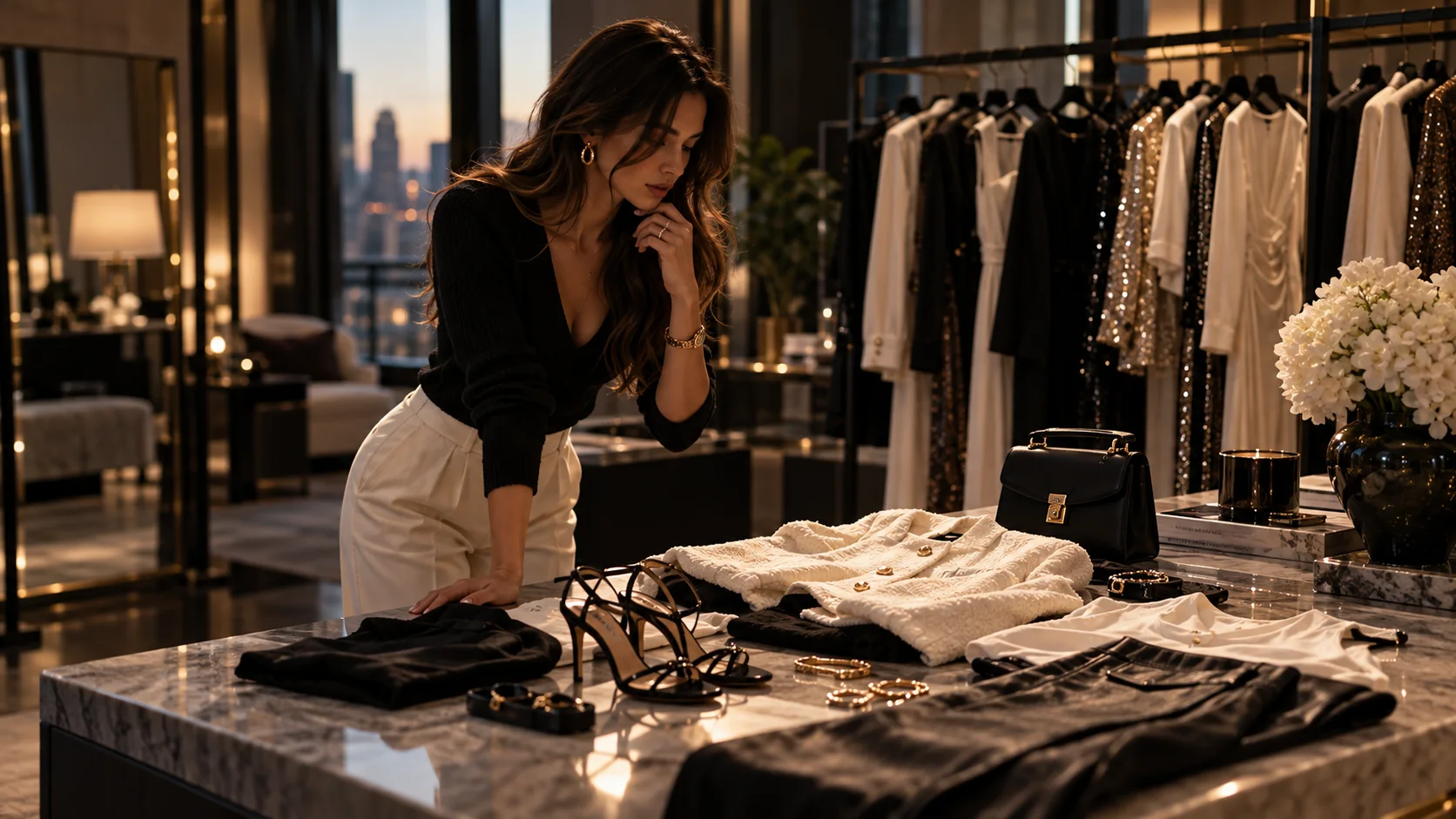
AI styling for fashion retailers is software that builds complete, on-brand looks from your live catalog, in real time, for every shopper. It reads what a shopper is trying to do, assembles an outfit around the piece she likes, and helps her buy the look instead of the single item. This guide explains what AI styling is, how it works, what it does to conversion and returns, and how to add it to your stack.
If you are weighing a build, this is the page to start on. It is the hub for our deeper pieces on conversion, returns, product pages, and recommendations, each linked below where it fits.
What AI styling for fashion retailers actually is
AI styling for fashion retailers is a layer that sits on your product pages and turns them from a display into a styling experience. A shopper picks one item. The system builds a full look around it from your live inventory, on a model, and lets her swap pieces, adjust for the occasion, and see the outfit before she buys.
It is not a chatbot, and it is not a smarter search bar. A chatbot answers questions. Search returns a list. AI styling returns a finished outfit and helps the shopper decide. It does the job a good sales associate used to do on the floor, at the scale of your whole catalog.
Why fashion needs it more than any other category
Fashion is a confidence purchase. A shopper is not just asking “do I want this?” She is asking “will it fit, will it match what I own, is it right for the occasion, will I actually wear it?” A static product page answers none of that. So she hesitates, and the numbers show it.
Fashion is one of the lowest-converting categories in retail. IRP Commerce, measuring live trading data, puts the fashion conversion rate at 1.74%, and returns run far higher in apparel than in most categories. Both problems trace to the same root: the shopper could not picture the item in her life before she bought. We go deeper on the product-page side in why your product detail page works against you.
How AI styling works
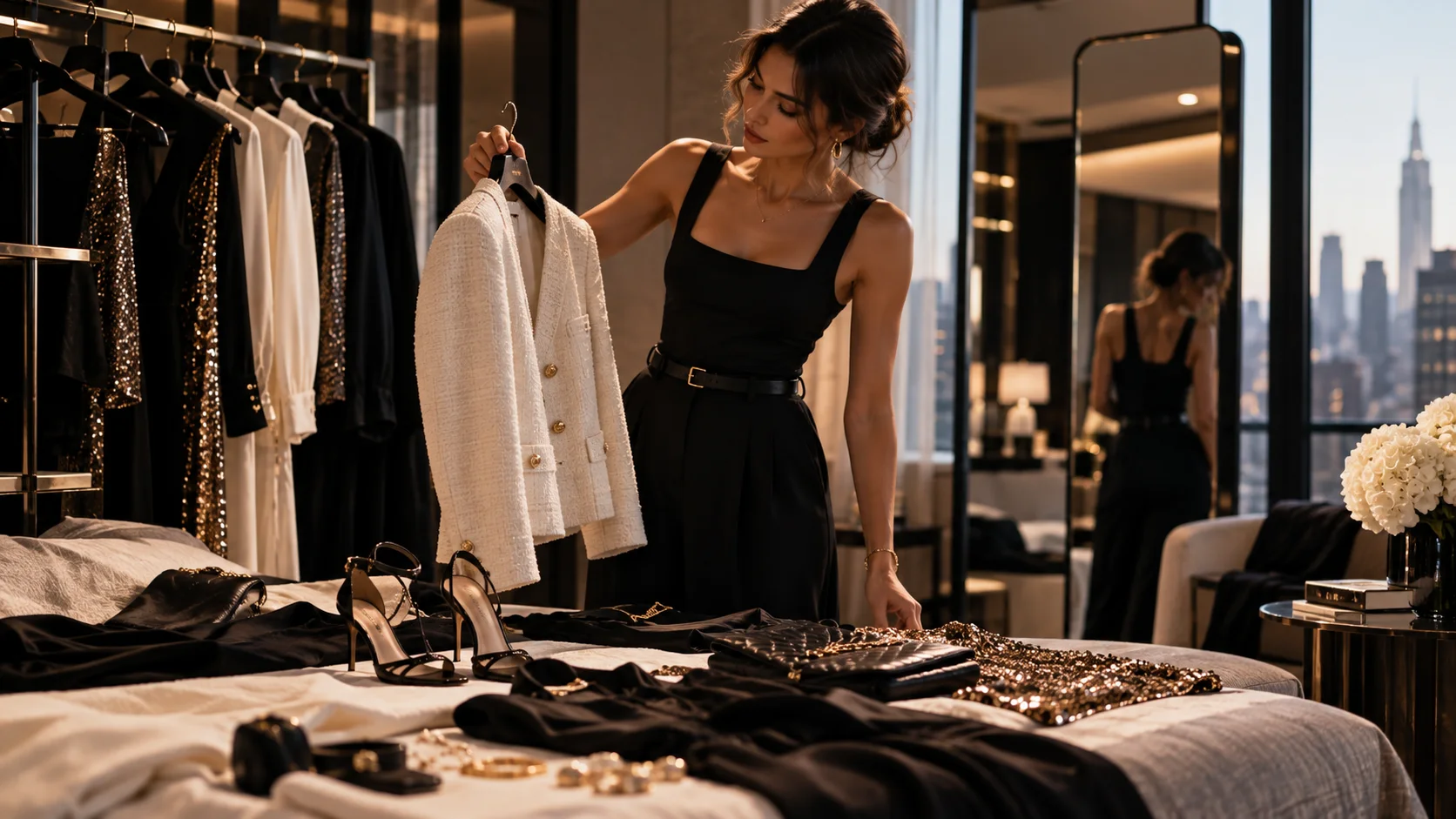
AI styling works across a few steps, and each one moves the shopper closer to a confident decision.
- Read intent. It reads context from the item she picked and the choices she makes: category, style, occasion, and how pieces relate.
- Build the look. It assembles a complete outfit from your live catalog, following real styling logic, not just what is popular.
- Visualize. It shows the look on a model so she sees what “yes” looks like before she adds to bag.
- Convert. It routes her to the product pages, the cart, and the next best piece, so more of the outfit converts.
At Zelig, this is Build a Look. Underneath it sit two engines. The Conversion engine surfaces adjacent purchases that search and filters miss. The Discovery engine turns browsing into a styled experience organized by occasion, mood, and style. For the recommendation side, see our guide to the outfit recommendation engine.
What AI styling does to the numbers
The case is not theoretical. It shows up in the metrics retailers care about. In Zelig’s live deployment with Revolve, across more than 54,000 SKUs, shoppers who used Build a Look converted at 3x the control group. Session time rose more than 300%. Average order value on styled sessions rose 1.5x. Returns fell 10%.
Those numbers move together for one reason. An engaged shopper builds a look and buys the outfit, not the single piece, which lifts both conversion and basket size. And because she saw the complete look before buying, she was right more often, so she returned less. We break down the conversion side in how to increase fashion ecommerce conversion rate and the returns side in styling, not sizing.
AI styling and the wider AI commerce shift
AI styling is the shopper-facing part of a larger change. The storefront is moving from a catalog you search to an interface that understands intent and styles a response. McKinsey estimates generative AI could add $400 billion to $660 billion a year in value across retail and consumer goods. Styling is where fashion captures its share of that, because fashion is a taste and confidence problem, not a spec problem. For the category view, see our pillar on AI commerce for fashion.
How to add AI styling to your stack
The common worry is integration cost, and it is the wrong thing to fear here. AI styling works as a layer on top of your existing stack, not a replatform.
- Ship as a snippet. The front-end is a lightweight, asynchronous script that does not slow the page, which matters for product-page performance.
- Use your own catalog and rules. It connects to your existing catalog and inventory feed and follows your merchandising logic, in your brand voice.
- Route through what you already have. It uses your existing cart, checkout, analytics, and A/B testing, so there is no re-architecture.
- Measure it cleanly. Run styled versus non-styled sessions and track conversion, average order value, and return rate together.
The result is a real new capability that ships on the timeline of a feature release, not a migration. You can see full outcomes in our results.
What to look for in an AI styling platform
Not every tool that claims styling actually styles. When you evaluate AI styling for fashion retailers, hold each option against a few standards.
- Real styling logic, not a recommendation carousel dressed up as styling. It should build outfits that follow how clothes actually go together.
- Your catalog, your brand. The experience should live on your site, in your voice, so the confidence it builds stays with you.
- Proof on a live catalog, measured in production, not a demo reel. Ask for the conversion, basket, and return numbers.
- Light integration that protects page speed and needs no replatform.
Frequently asked questions
Is AI styling the same as virtual try-on? No. Try-on shows one product on a body. AI styling builds and visualizes a complete outfit across the catalog, then helps the shopper buy it.
Does it replace my ecommerce platform? No. It sits on top of your existing stack as a styling layer and routes through your current cart and checkout.
How fast can it go live? Because it deploys as a snippet, it ships on the timeline of a feature release, and the effect shows up in the first styled sessions.
Want to see AI styling for fashion retailers on your own catalog? Read the Revolve results, or book a demo.