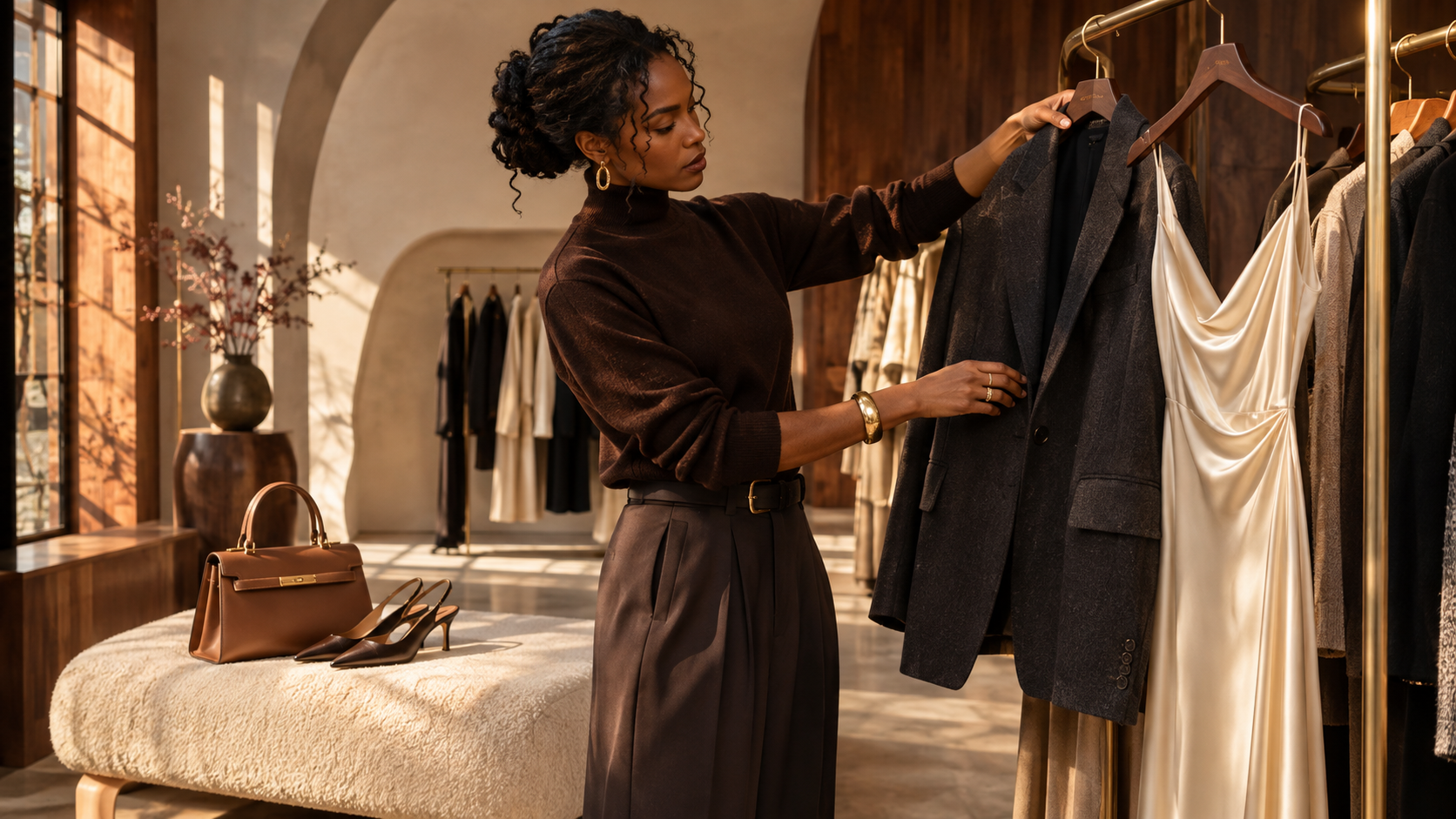
Every fashion site recommends. “Customers also bought.” “You may also like.” A row of products under the one she’s looking at, and shoppers expect it now: McKinsey puts 71% of consumers expecting personalized interactions.
Almost none of them style.
That gap, between outfit recommendations vs product recommendations, is wider than it sounds, and it’s where the money is. This one sits under our guide to AI styling for fashion retailers.
What a recommendation engine actually does
It reads behavior. Views, adds, purchases, then surfaces items with similar patterns. People who bought this also bought that. For commodities it’s genuinely good: buy a coffee maker, get filters and beans, everyone’s happy.
Point it at a dress and you get something else. Items she already owns. Four more versions of the thing she just looked at. The same ten pieces in the carousel every visit. Related on a chart, useless for her outfit.
The engine isn’t broken. It’s doing exactly what it was built to do, and what it was built to do isn’t styling.
What styling does instead
It starts from a different question. Not “what else is popular with this?” but “what finishes this?”
It reads the piece she picked, the occasion she’s shopping for, and how categories actually relate, then builds a full outfit around it from the live catalog. Top to bottom, layer over the top, shoes chosen against the shape of the whole thing.
What comes back is a finished look she can see and buy, not a list she has to sort. That’s the difference between routing her somewhere and telling her something. The machinery behind it is in our piece on the outfit recommendation engine.
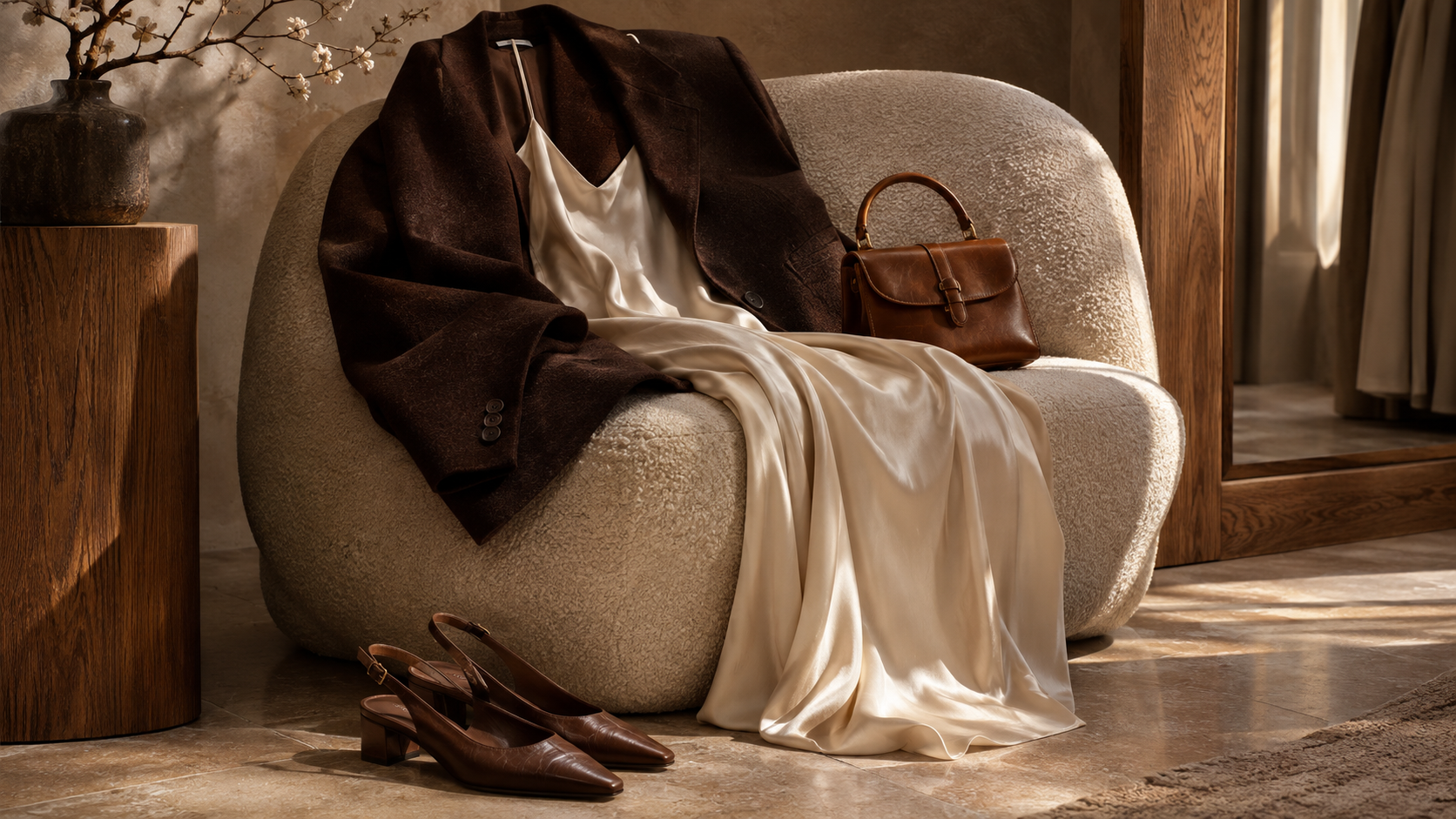
Outfit recommendations vs product recommendations, side by side
The clearest way to hold the two apart is to line up what each one is optimizing for.
- Signal. One reads past behavior. The other reads styling logic and live intent.
- Output. One returns a ranked list. The other returns a complete look.
- What it asks of her. One asks her to keep browsing. The other helps her decide.
- Cross-sell. One sells another single item. The other sells the rest of the outfit.
- Confidence. One leaves “how do I wear this?” open. The other answers it on the page.
Same surface, completely different job. Which is why two sites can both say they “have recommendations” and convert nothing alike.
Why this matters more in fashion than anywhere else
Fashion is a confidence purchase, and confidence is the one thing a product recommendation can’t supply. Five more dresses doesn’t tell her whether the one in front of her works for Saturday, or goes with the jacket she bought in March.
A styled outfit does, and it shows up in the numbers rather than just the feel. She buys more of the look, so order value rises. She pictured the whole thing before committing, so she returns less. We covered the conversion side in how to increase fashion ecommerce conversion rate and the returns side in styling, not sizing.
A “you may also like” row does neither. It’s just another exit.

Why almost nobody styles
Because it’s harder, and that’s most of the answer.
A behavior engine needs click logs. A styling engine needs to understand the catalog itself: how garments relate, what pairs with what, how the occasion changes the answer, how a new arrival with no purchase history fits into a look on the day it lands.
That’s a different build, and most recommendation tools were never meant for it. They were built to route traffic toward more products, and they’re good at that. Reading the look instead of the log is a different problem, and very few platforms have bothered to solve it.
How to tell which one you’ve got
Open your own product page and ask four things.
- Is it a list or a look? A grid of single items is product recommendation. A styled, wearable outfit is the other thing.
- Does it answer “how do I wear this?” If she still has to imagine the outfit herself, you have product recommendations.
- Do your new arrivals ever show up? If the newest SKUs never appear because they’ve got no history behind them, that’s a behavior engine.
- Does it sell the outfit? If it only ever sells one more item, it’s routing, not styling.
Frequently asked questions
What’s the actual difference between outfit recommendations vs product recommendations? Product recommendations surface more things to buy based on what other people did. Outfit recommendations build a complete look around the piece she already likes, using styling logic, so she can see and buy the whole thing.
Are product recommendations bad? Not at all. They work well for commodity categories and they still have a place in fashion. They solve discovery. They don’t solve confidence, which is where styling earns its keep.
Can I run both? Yes, and most retailers should. Keep product recommendations for browsing and add styling at the decision point, which is where the sale actually closes.
Want to see what styling does to your own catalog? Read the Revolve results, or book a demo.